When a household calls me after a surprise apprehension, their very first concerns usually arrive on cost. How much to obtain him out tonight? Do we ever before get that money back? The answers really feel unsafe in the moment due to the fact that the system mixes court regulations with exclusive agreements, and the vocabulary can be misleading. You do not buy freedom the method you acquire a device. You spend for a solution that brings threat, conditions, and a fee framework that is not intuitive if you have never been inside a prison entrance hall at midnight.
This guide unpacks just how bail bond premiums work, what is refundable, and where people flounder. I will certainly also discuss practical methods that make an actual difference in what you pay and whether you see any kind of funds again.
What the costs really covers
A business bail bond is an agreement. The accredited representative assurances to the court that the defendant will show up. The court sets a bail quantity, claim 50,000 bucks. You normally do not hand the court 50,000. Rather, you work with a bail bonds representative who posts a surety bond for the full amount. In exchange, you pay a premium, frequently 10 percent of the bail in numerous states, in some cases 8 percent, often 15, based on state guidelines. Some states, like Illinois, have actually removed cash bail completely under recent reforms. Others limit or look after commercial bail firmly. Constantly check the rules in your territory or ask the booking workdesk clerk for the state schedule.
The premium is the agent's fee for handling the danger that the offender misses court and for providing immediate liquidity when you can not publish the total. That charge makes up the agent for underwriting threat, administrative work, publishing and surrender logistics, and the cost of funding tied up in bond lines. It is not a deposit. It is not a car loan deposit. It is a nonrefundable service charge in almost all territories, even if the instance later obtains rejected or the accused is acquitted on all counts.
People bristle at that, and I comprehend why. If you pay a plumbing professional and the leakage is gone, you acknowledge the work. With bond, the job is unnoticeable as soon as your loved one goes out the door. But behind the scenes, the agent's license, surety connection, collateral management, and appearance tracking system separate the court and a default. That danger profile, not the end result of the criminal situation, is what the costs buys.
The 2 tracks of bond money: court versus bond company
Confusion develops into genuine cash losses when family members blend court-held funds with the bond company's costs. They are different rails.

If you upload the entire bond amount directly with the court in cash money or via a protected instrument, that is a money bond. The court holds it up until the instance concludes, then returns it minus mandatory charges, penalties, or restitution if the defendant made every appearance and complied. You do not pay a costs to a representative because situation since you did not utilize a business bond.
If you make use of a commercial bail bond, you pay the representative a premium and usually some administrative costs. You might also put up collateral to safeguard the representative's threat. The court receives the bond, not your cash. When the situation ends, the court exonerates the bond and launches the agent from liability. That launch does not set off a premium refund. It ends the agent's exposure and permits launch of your collateral, assuming there are no outstanding charges or breach costs.
Think of it as 2 different inquiries. Did the court obtain its warranty back intact? If of course, the agent is done and security gets back. Did you pay a service charge to the representative to prepare that guarantee? Yes, and that fee does not boomerang back with the court's exoneration.
What manages the premium rate
Premium prices are established by state legislation or by the surety firms that back local representatives, based on regulative approval. In numerous locations, the rate is level by statute, commonly 10 percent. In others, the price is a filed schedule, and representatives can not undercut it without special authority. The price occasionally includes or leaves out particular costs, such as a declaring charge or a prison delivery cost. A midnight bond in a remote area may bring higher add-ons than a daytime bond in a city jail since a representative should pay team to drive, file, and wait on approvals.
Discounts are sensitive. Some states enable minimized portions for sure classifications, such as unions, professionals, or retained guidance clients. Others forbid any type of marking down whatsoever. I have actually seen police officers at intake counters caution family members that a quoted 5 percent premium is illegal in that region, and they are generally ideal. If a quote appears also reduced, ask the representative to show the filed price permission, not just a business card boast.
Payment terms are negotiable more frequently than the rate. Agents might accept a partial premium up front with a payment plan for the balance. They may bill rate of interest on overdue balances, and those money terms must remain in composing. I have actually seen people pay two times since a verbal assurance vaporized after the rush to get a loved one out.
When collateral comes into play
Collateral is separate from the costs. It safeguards the bond in situation of default. The kind varies: money, an automobile title, a lien against a home, or a bank card hold. Security often equals a portion of the bond amount or a blanket protection rate of interest depending upon the risk the agent regards. An offender with a stable work, neighborhood household, and no prior failings to show up might walk on a signature bond with very little collateral. An offender with an out-of-state address, weak connections, or a background of missed court days will set off stricter requirements.
Collateral ends up being refundable after the bond is vindicated and all costs are paid. Refund timing generally runs 7 to one month, depending upon the representative's internal procedure and the region's documents. If a lorry title was held, you get it back. If a lien was taped, the agent submits a launch. If cash was held, the agent problems a check. Sometimes, a third-party guaranty processes the reimbursement, which includes days. This is just one of those minutes where an invoice and a tidy contract save migraines. Individuals lose track of who holds what when stress and anxiety is high at 2 a.m.
Why virtually no one obtains a premium refund
The difficult fact: premium reimbursements are unusual. In many states, the premium becomes made when the representative posts the bond or when the defendant is launched, depending on the contract language. Even if the prosecutor drops fees a week later on, the premium continues to be made since the agent carried out the acquired service. The only common reimbursement scenarios I have actually seen fall under slim lanes.
First, if the representative never ever posts the bond and you paid in advance, you are entitled to your money back. That is not a costs refund so much as a turnaround since the service was not made. Second, if the agreement consists of a particular cooling-off or termination condition that conditions the costs on the defendant in fact being released, you might see a refund if the jail rejects the bond for a clerical reason and the agent can not heal it. Third, in uncommon instances where the representative materially misstated terms, a regulator or court could order restitution. The bar for that is high and includes a grievance process.
Families often believe that prompt surrender shortens the direct exposure and ought to activate a partial refund. That is not exactly how the agreements review. Early surrender might minimize investigation or recuperation fees if a skip is fixed rapidly. It does not turn the premium into a prorated subscription with money back for unused months.
What takes place if the accused misses out on court
A failing to appear changes every little thing. The court provides a bench warrant, and the bond gets in forfeit process. The representative now deals with responsibility for the full bail quantity unless the accused is generated or the court reserves loss. Agents will certainly act fast. They might contact the indemnitors, send out a recovery representative, or ask you to help convince the offender to surrender.
Costs place in this stage. Contracts often enable agents to charge recovery costs, traveling, security, and also attorney costs if they need to litigate the forfeit. I have seen family members surprised by a line-item for 1,800 dollars in skip-tracing costs after a defendant disappeared for two weeks and turned up in a loved one's garage. These quantities are enforceable if the contract discloses them and the costs are sensibly linked to mitigation. Courts can inspect padded bills, yet most costs that show actual efforts to prevent paying the full bail are upheld.
If the accused go back to court quickly, particularly within the grace period established by the state, the court might leave the forfeit and reinstate or pardon the bond. In that case, collateral can be released as soon as costs are paid. The premium still sticks with the representative. If the loss sticks and the representative pays the court, you and any kind of co-signers are on the hook under the indemnity agreement for the quantity the agent paid, plus expenses, up to the security value and past if the agreement allows individual liability. Individuals sign these indemnity forms in a thrill and later on discover they place their home in jeopardy. Reduce and ask the agent to go through the condition that governs forfeit liability.
State variations that matter
Bail is local. The golden state caps costs at 10 percent by statute, with some adaptability for funding. New York got rid of most industrial Bail Bonds make use of oftentimes with reforms that steer towards release without cash problems. Kentucky and Oregon, traditionally, do not permit business bond at all, utilizing a down payment with the court system instead. New Jacket transferred to risk-based apprehension with minimal reliance on cash bail. Illinois currently runs without cash money bond after the Pretrial Justness Act, making business bonds largely outdated there.
These reforms affect whether a costs discussion even occurs. In a risk-based design, you either get released under conditions or restrained after a hearing without a price to negotiate. In states still utilizing business bail, regulatory authorities may enforce rigorous costs routines and require disclosure types that outlined nonrefundable charges in bold print. Representatives who drift can lose their permit. If you listen to two vastly different quotes for the exact same region, call the state insurance department's consumer line. They will tell you the legal costs variety for that jurisdiction.
Add-on fees and what to challenge
Premiums attract emphasis, however add-ons make the bills swell. Typical fees include an application charge, notary fee, prison declaring cost, charge card handling fee, and a cost for electronic tracking if the representative collaborates a general practitioner device. Some contracts consist of a cancellation fee if the indemnitor backs out after documents begins but prior to posting. Others include a late-payment fee if you finance the premium and miss out on an installment.
Reasonable charges make up genuine job. The red flags are obscure labels that do not connect to a service, duplication of the very same charge under different names, or float costs that penalize you for court hold-ups the agent controls. If a fee checks out "reinstatement" however the bond was never revoked, request for the docket access that caused the cost. If a handling cost equals 5 percent of the costs, ask whether paying cash removes it. Charge card business normally bill the merchant between 2 and 4 percent of the purchase quantity. Some agents pass that through, others consume it as an expense of working. None of this is mystical once you push for specifics. Good representatives do incline clarifying their invoice.
How to keep more cash in your pocket
Triage starts with info. The reservation desk will certainly commonly tell you the bond amount and the cost level within an hour. If the arrest is late on a weekend break, an accusation may be the following service day, which can alter the bond or eliminate the requirement for a bond entirely. I have actually seen households pay a premium at 3 a.m., just to find out at 9 a.m. that the court launched the accused on their own recognizance. If an accusation impends and the accused is fine waiting, think about resisting unless there is a pushing factor to get them out right away, such as medical needs or childcare obligations.
If you do go after a bond, gather and compare three quotes, not simply the premium portion. Request a full fee list, the payment timetable, and collateral terms. Confirm the representative's license. Validate whether the costs comes to be earned on publishing or on launch and whether there is any circumstance where a reimbursement would be issued. If the offender has guidance, ask the lawyer https://squareblogs.net/derneszsdu/layaway-plan-for-bail-bonds-choices-and-tips whether a bail reduction activity is likely within 24 to 48 hours. A minimized bond can suggest a reduced costs if you wait, though it likewise means more time in custody.
When collateral gets on the line, record the chain. Take photos of lorry titles, get a security receipt that mentions the return conditions, and tape-record the representative's workplace address and declares department. If a lien is placed, demand the payoff and release procedure in creating. You desire no ambiguity when the case closes.
Finally, do whatever possible to stay clear of a failure to appear. Put every court date in three calendars. Establish text pointers. Set up transportation the night before. If the offender falls sick or hits a real emergency situation, call the lawyer and the representative instantly. Courts are much more flexible when the issue is elevated proactively. Agents and courts manage lightweight reasons all the time. Genuine concerns, presented with documents, get better treatment.
When to upload cash with the court rather than making use of a bond
If you have the complete bail amount offered without endangering lease, payroll, or financial savings that shield your family, cash money bail can be the less expensive path. You stay clear of the costs and obtain a lot of the money back at the end, minus court costs or fines. That reimbursement can be sluggish. Courts often refine returns several weeks after situation closure. If the offender is founded guilty and owes fines or restitution, the court will typically subtract those from the bail deposit. You can also assign the refund to head to somebody besides the offender when you post, which is smart if you set up the money and do not desire it swallowed by unrelated debts.
The compromise is liquidity risk. A 50,000 cash down payment lock up cash you could require if the situation drags on for months. It likewise lugs a step-by-step threat. If the accused misses court, also accidentally, you can lose part or every one of the deposit until the judge is completely satisfied. When people can not pay for to take that risk, a bond spreads it to a Bail Bonds agent for a price.
The rare edge cases
A few circumstances sit at the margins and should have mention since they can alter that pays what and when.
Administrative mistakes: If the prison misrecords a situation number or the court declines a bond for a paperwork mistake, the agent ought to repair it without charging you twice. If the accused sits an additional day due to the fact that two firms fell short to straighten their systems, a sensible agent will certainly forgo add-on fees linked to the hold-up. You will not get a costs refund if the bond ultimately articles and the offender is launched, yet you should not spend for the system's stumble.
New costs while out on bond: If the defendant is jailed once more, the existing bond might be revoked or the court may set additional bail. Representatives will reevaluate risk. Some will call for boosted collateral or a brand-new premium. Contracts typically allow this. If you expect disturbance, press your lawyer to settle hearings quickly to avoid piling premiums.
Immigration detainers: If Immigration and Customs Enforcement positions a detainer, the offender might not be released even if the state bond articles. In some areas, the jail will certainly not accept a bond if a detainer is energetic. In others, the defendant is moved promptly. The remedy relies on sychronisation between the criminal situation and the migration instance. Before you pay a costs, ask the representative to check for any kind of detainer. A sincere representative will run the query and tell you whether publishing is futile. If the bond can not be uploaded due to a detainer the representative knew about or must have examined, you need to not be out the premium.
Out-of-state warrants: A neighborhood apprehension on an out-of-state warrant can trigger a fugitive hold. Because pose, publishing a neighborhood bond might not cause launch. The getting state decides whether to extradite. Premiums posted on a case that can not lead to release are ripe for dispute. Obtain clear answers before you turn over funds.
What a straight-talking contract looks like
A clear bond contract usually fits on 2 or 3 web pages, with the indemnity agreement connected. The costs price is listed, the total dollar amount is computed, and the reimbursement policy is plain. It states the conditions that convert security into the representative's building and the timeline for return upon exoneration. It provides recoverable expenses if there is a skip and determines governing law and a place for disagreements. It consists of the agent's permit number and the guaranty business's name.
Avoid any contract that leaves blanks or makes use of lingo without meanings. If the agent slides you a carbon copy with faint terms, request for a typed version or take an image and focus. The five mins you invest reading now can save months of arguing later.
A practical course through the very first 48 hours
The initially two days are where the largest cash choices happen. The pressure to act fast is genuine. Speed matters if the jail is crowded, if the accused requires drug, or if the costs lug very early repercussions at the office. Speed additionally invites mistakes.
Start with the cost and bail information from the prison. Call a lawyer if you can. Lots of defense attorneys will chat for 10 mins at no charge, especially in smaller sized jurisdictions. Ask whether an accusation is arranged within 24-hour. If yes, ask the most likely variety for bail afterwards hearing provided the offender's document and connections. If the likely end result is launch or a lower bail, and the offender can abide the wait, hold your cash.
If time is critical, pick a representative with solid neighborhood experience, not just the cheapest premium. An expert representative commonly moves faster with documents and recognizes the jail clerk that actually processes bonds during the night. That practical performance can mean hours slashed off release time. It will certainly not alter the refund guidelines, yet it can obtain your person home by morning meal as opposed to dinner.
Once the bond blog posts, shift focus to conformity. The fastest method to melt cash is a missed out on court date. Set suggestions, validate the following look with both the representative and the court, and keep a folder with all invoices. If the instance finishes well, you will want tidy documents to fetch collateral immediately. If it deviates, you will certainly want the contract convenient when going over costs.
A fast wrap-up without the legalese
Premiums spend for a solution, not a down payment. They are usually nonrefundable. Security is protection, not a fee, and it must come back after the bond is pardoned if you have satisfied all conditions. Cash money bond with the court may save money if you can pay for the tie-up and the danger. State policies differ, and reforms have actually diminished the duty of commercial bonds in some places. The smartest moves are basic ones: validate the costs rate, get every cost in creating, check for detainers, and maintain the defendant on schedule for every hearing.
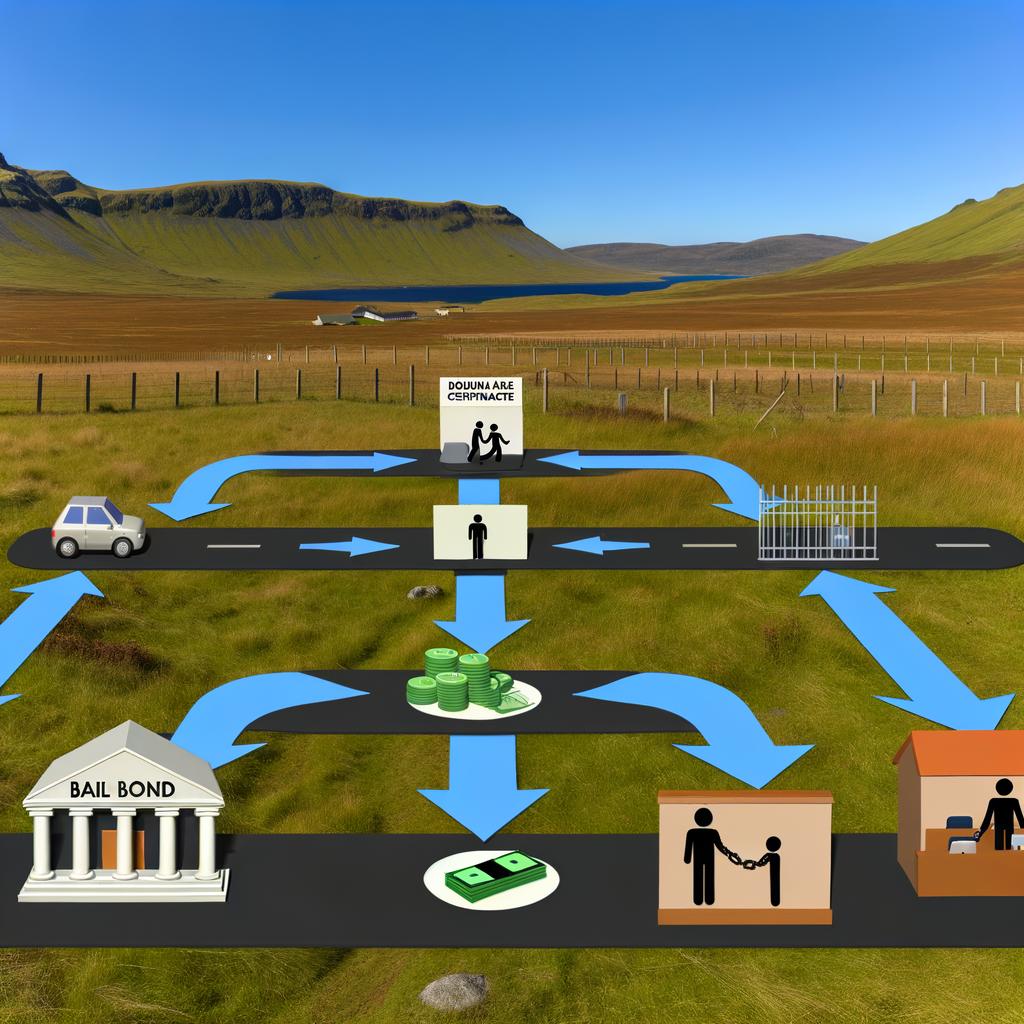
Below is a short checklist you can make use of when the phone rings late and the clock starts:
- Confirm the charge, bail quantity, and next court time with the jail. Call two or three accredited agents, request for the complete cost in creating, and validate the lawful premium price for your state. Ask concerning security, refund problems if uploading fails, and timing for collateral return after exoneration. Check for immigration detainers or out-of-state holds that might block release. Decide whether to wait for accusation if it impends and a lower bond or own-recognizance launch is likely.
The bail globe mixes legislation, finance, and human unpredictability. When you know which repayments are fees and which are deposits, and when you deal with the agreement like the significant tool it is, you maintain control of your cash and decrease ugly shocks. That clarity does not make the evening in jail much easier, but it can make the weeks that adhere to much much less expensive.
ABBA Bail Bonds 900 Avila St STE 101 Los Angeles, CA 90012 (213) 296-0901 https://abbabailbonds.com